
For over 100 years, Hart Island in Long Island Sound has been a public burial ground for New York City’s most vulnerable citizens: the impoverished, the homeless, people without next of kin, and the first victims of AIDS and Coronavirus. Only recently have family members and the public been allowed to visit the 120-acre... Continue Reading
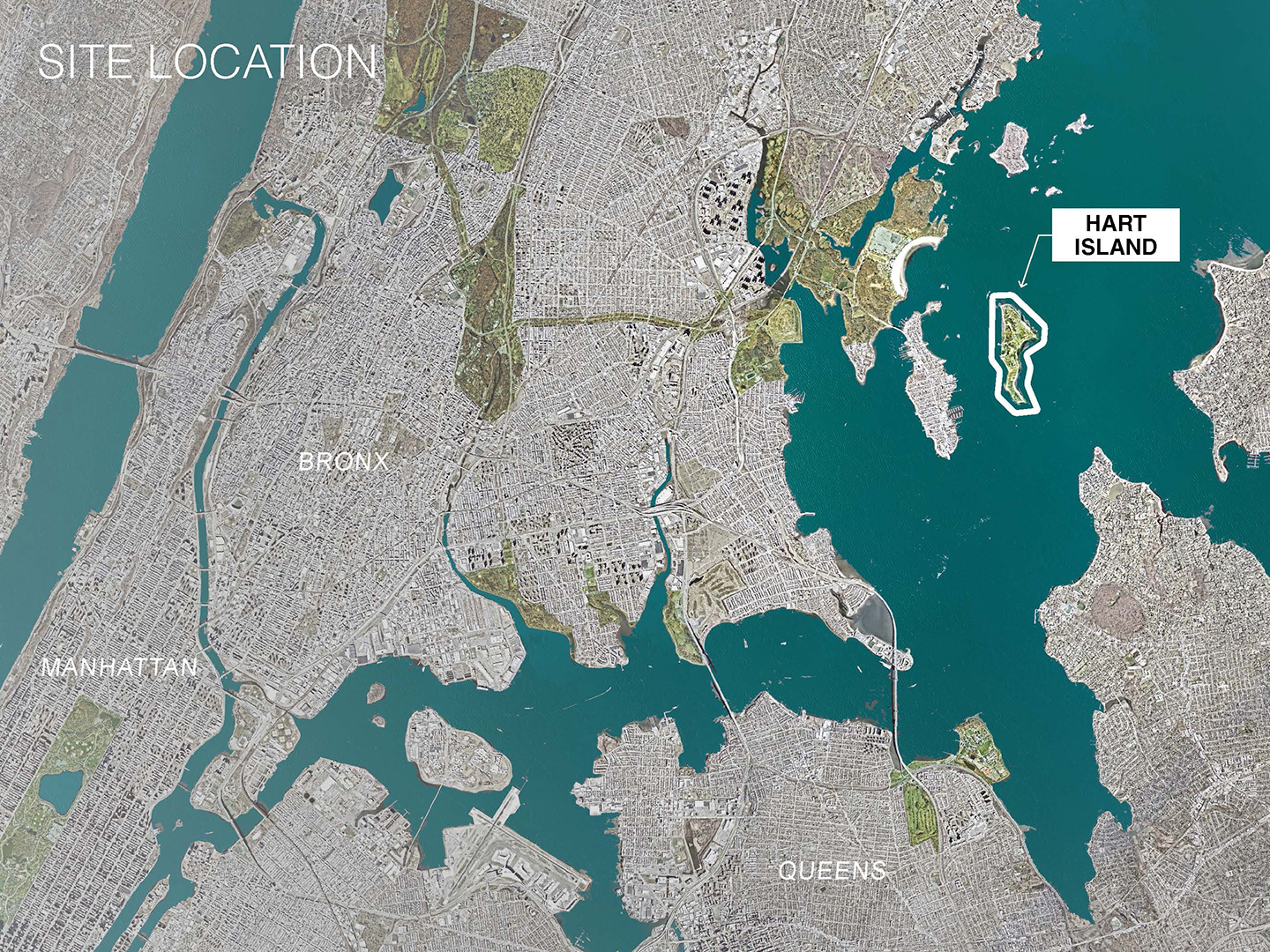
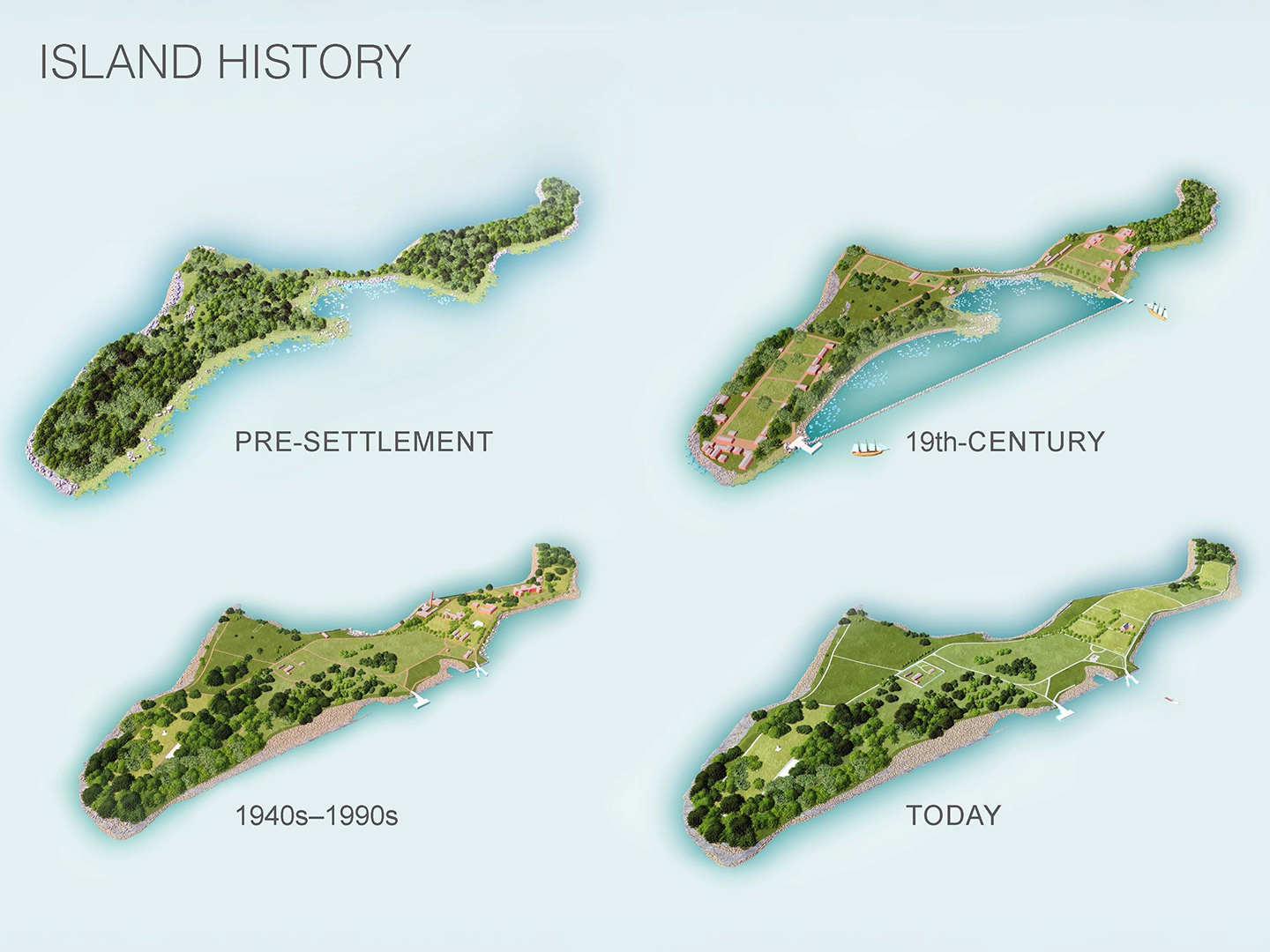
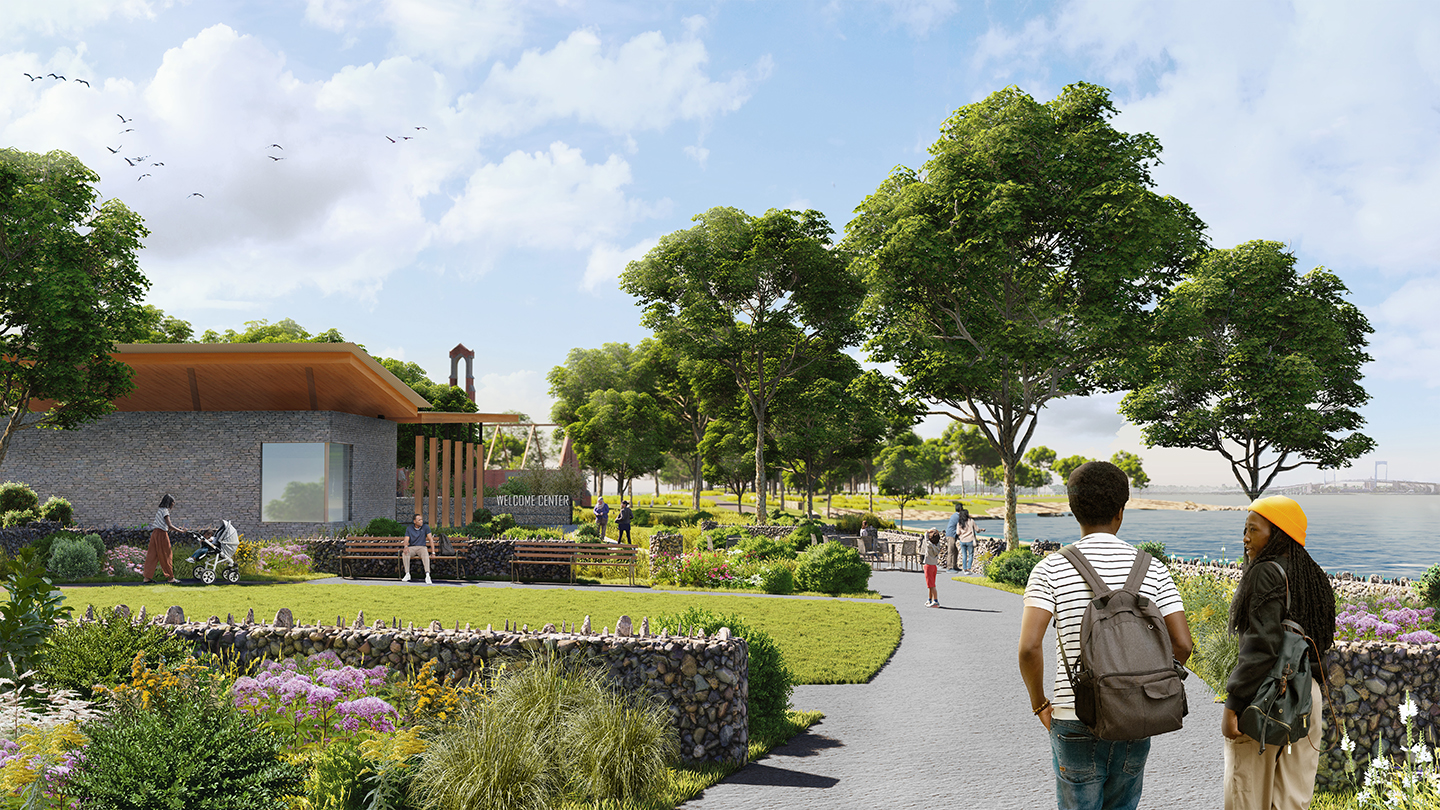
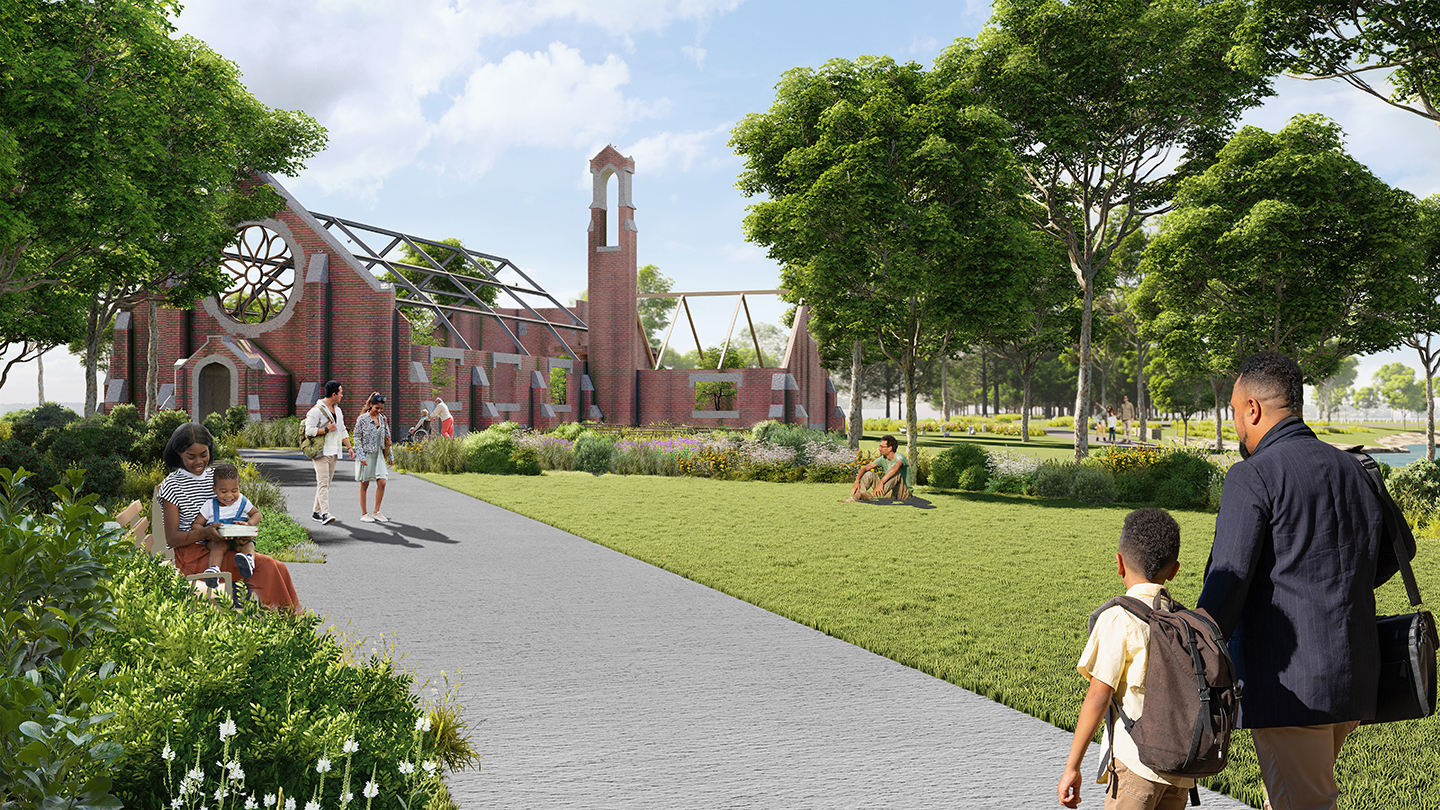
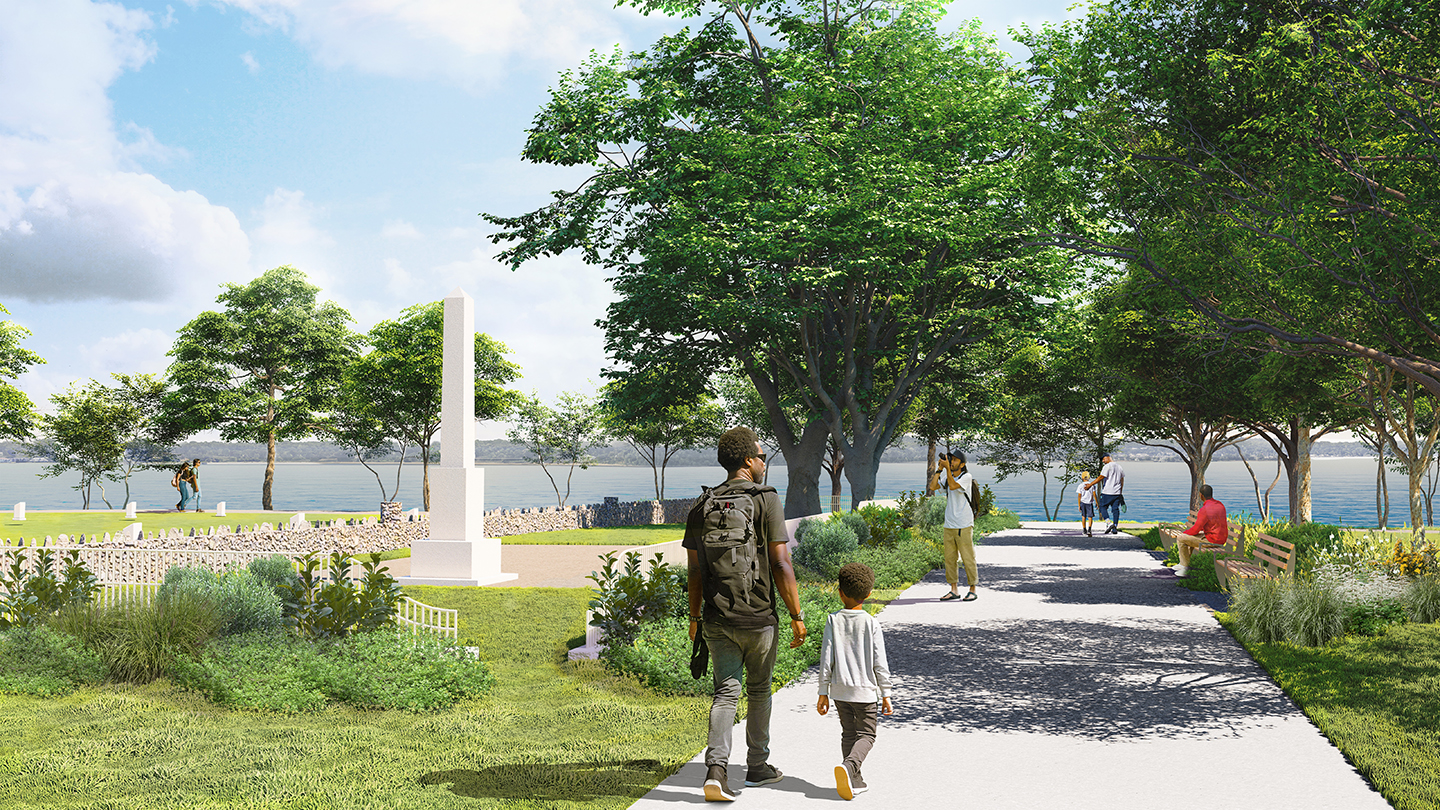
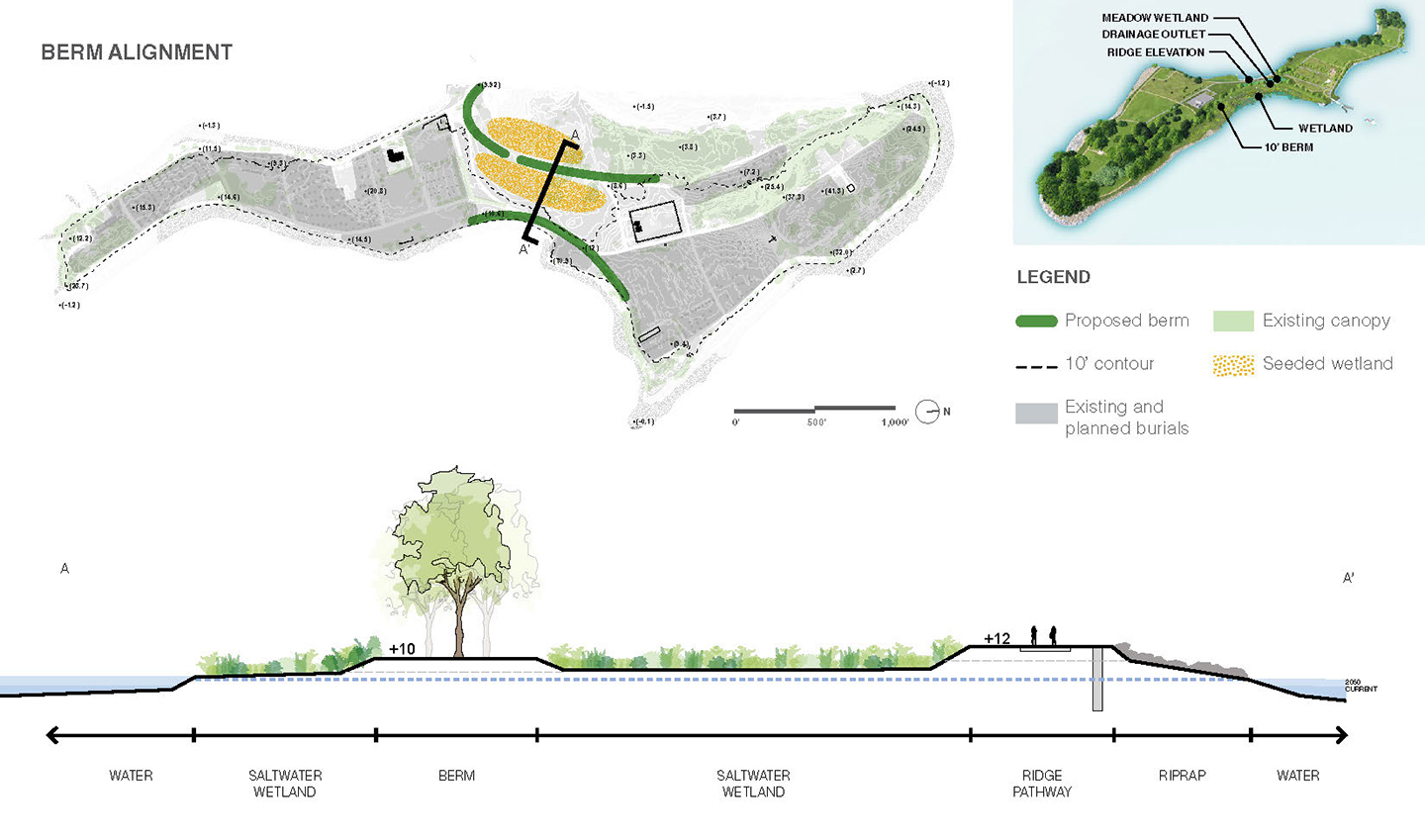
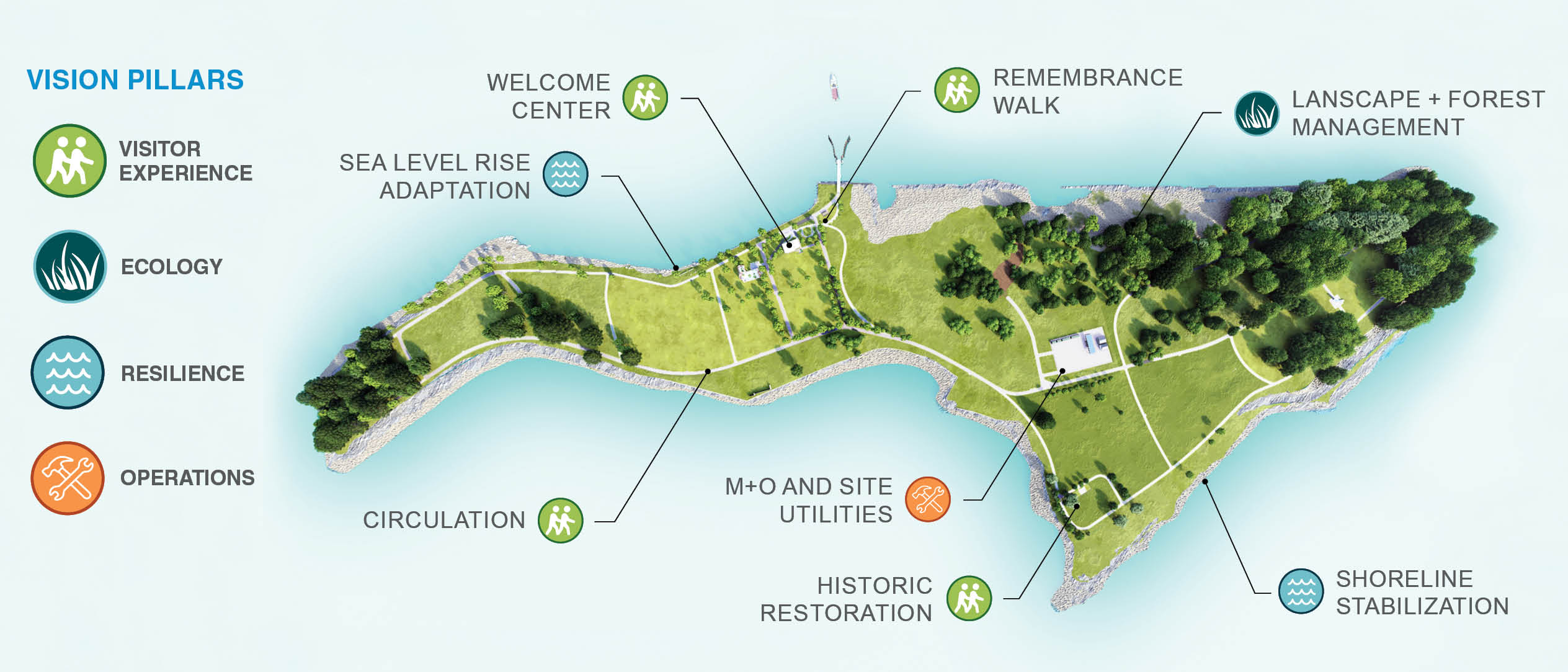
For over 100 years, Hart Island in Long Island Sound has been a public burial ground for New York City’s most vulnerable citizens: the impoverished, the homeless, people without next of kin, and the first victims of AIDS and Coronavirus. Only recently have family members and the public been allowed to visit the 120-acre island via ferry from the Bronx. While there is now public access, there are no visitor facilities or commemorative features to tell the story of the island, and its ecological landscapes have been only minimally maintained. Starr Whitehouse was engaged by NYC Parks — the agency tasked with managing visitation to the island — to develop a framework for capital improvements to the island. The plan considers visitor experience, shoreline ecologies, sea-level rise, interagency responsibilities, and visitor and burial operations. Because ferry service limits guided public visits to two hours, the plan recommends a compact arrival area featuring a new visitor center building, memorial landscapes, and the adaptive reuse of an historic chapel as a contemplative space. Island-wide, the plan enhances existing circulation to avoid encroaching on burial areas. Preserving historical elements, the plan upgrades the cemetery landscape and restores woodland and coastal ecosystems, remediating a landscape significantly disturbed by prior uses. Sequenced project recommendations with cost estimates support phased implementation. Grounded in engagement with over 200 community members, the plan focuses on the families of those buried, preserving the spiritual character of the island as a place for memory, nature, and reflection.
Category